Difference Between Serengeti and Ngorongoro
-
Duration 1 - 10 Days
-
Type Midrange/Luxury
-
Group Size 2+ Pax
-
Languages English
Tour Description
Compare Serengeti and Ngorongoro to understand the key differences in landscapes, wildlife, safari experiences, and best times to visit for your Tanzania adventure.
Serengeti National Park is renowned for its vast open plains and the annual Great Migration, offering wide-ranging wildlife encounters, especially predators and large herds. Ngorongoro Crater, on the other hand, is a massive volcanic caldera with a dense concentration of animals in a compact area, making it easier to spot the Big Five in a single day.
While Serengeti gives a classic savannah safari with endless horizons, Ngorongoro provides dramatic scenery with crater walls and a unique ecosystem. Both are top safari destinations in Tanzania, but Serengeti is ideal for migration-focused trips, whereas Ngorongoro is perfect for guaranteed Big Five sightings and scenic photography.
Difference Between Serengeti and Ngorongoro – Complete Safari Guide
Serengeti National Park and Ngorongoro Crater are two of Tanzania’s most famous safari destinations. Both offer breathtaking wildlife encounters and unforgettable landscapes, but they are very different in terms of size, terrain, wildlife concentration, and visitor experience. Understanding the differences helps travelers choose the best park for their interests, whether it’s witnessing the Great Migration, spotting the Big Five, enjoying a family-friendly safari, or exploring remote wilderness.
This guide explores the key differences between Serengeti and Ngorongoro, including geography, wildlife, climate, accessibility, accommodation options, best time to visit, and overall safari experience.
Geography and Size
Serengeti National Park covers approximately 14,750 square kilometers, making it one of the largest protected areas in Africa. Its vast plains, woodlands, kopjes, rivers, and rolling hills create a diverse landscape where wildlife can roam freely over enormous distances. The sheer size of the park allows for large-scale natural phenomena such as the Great Migration, where millions of wildebeests, zebras, and gazelles traverse the ecosystem in a continuous circle.
In contrast, Ngorongoro Crater is a single volcanic caldera, covering roughly 260 square kilometers. The crater’s steep walls, lush grasslands, forested patches, and crater lakes make it a concentrated wildlife haven. Despite its small size compared to the Serengeti, Ngorongoro boasts one of the highest densities of wildlife anywhere in Africa, including many endangered species such as black rhinos.
Key Difference:
Serengeti is vast and open, perfect for long game drives and large herds of roaming animals. Ngorongoro is compact and enclosed, ideal for seeing many species in a short period without traveling long distances.
Wildlife and Animal Concentration
Both parks are home to incredible African wildlife, but their ecosystems differ significantly. Serengeti is famous for its migratory herds, including wildebeests, zebras, and gazelles. Predator-prey interactions are abundant, with lions, cheetahs, leopards, hyenas, and wild dogs frequently spotted across the plains. Birdlife is also rich, with hundreds of species including vultures, storks, and eagles.
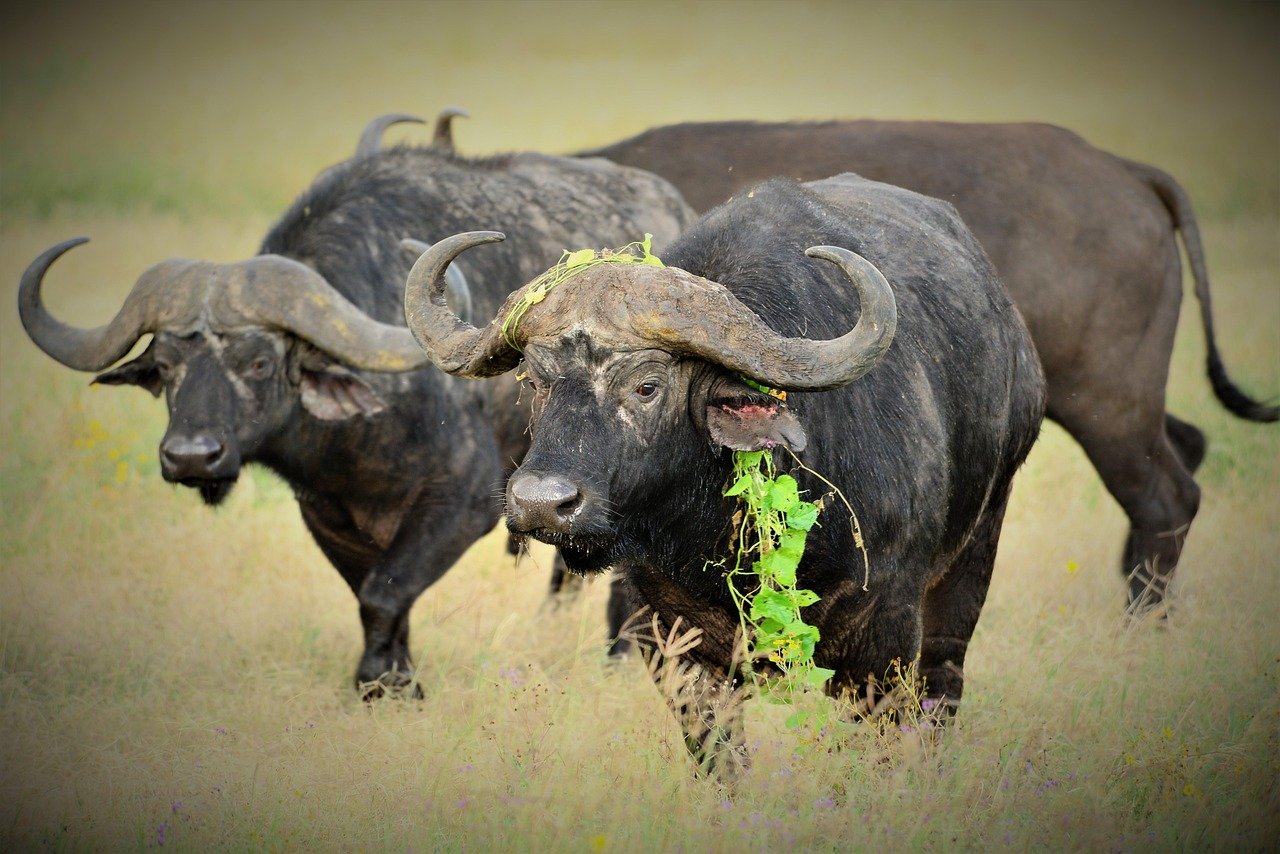
Ngorongoro, being a smaller, enclosed area, provides extremely high wildlife density. Visitors can often spot the Big Five—lion, leopard, elephant, buffalo, and rhino—within a single game drive. Other species include zebras, wildebeests, hippos, flamingos, and numerous antelope species. Wildlife is concentrated around crater lakes, grasslands, and waterholes, which makes sightings almost guaranteed.
Key Difference:
Serengeti offers dynamic wildlife experiences with animals spread over large distances, while Ngorongoro allows for compact, high-density wildlife viewing in a single day.
Landscape and Scenery
The Serengeti landscape is iconic: endless golden plains dotted with acacia trees, rocky kopjes, winding rivers, and distant hills. This park offers photographers the classic African safari imagery and vast horizons perfect for sunrise and sunset views. Seasonal variations dramatically change the scenery — from green, lush plains during the rainy season to golden, open savannah in the dry season.
Ngorongoro Crater is a geological wonder, with steep walls rising up to 610 meters above the crater floor. The lush grasslands, forest patches, soda lakes, and seasonal water sources create a contrasting environment to the open plains of Serengeti. The crater itself is a natural amphitheater where wildlife can be observed from elevated viewpoints, adding a dramatic perspective to safari photography.
Key Difference:
Serengeti offers open plains and wide horizons, perfect for long-range photography. Ngorongoro offers enclosed, dramatic landscapes with a unique topography and concentrated wildlife.
Accessibility
Serengeti National Park is more remote, with several entry points depending on which region you want to explore: Northern Serengeti (for river crossings), Central Serengeti (Seronera Valley), and Western Serengeti (Grumeti). Roads can be long and rough, especially in the western corridor, requiring 4x4 vehicles. Airstrips are available for light aircraft, making access easier for those with limited time.
Ngorongoro Crater is much more accessible, being only about 3–4 hours’ drive from Arusha. The rim and crater floor are well-maintained, allowing for relatively easy game drives even for those with limited safari experience. This accessibility makes Ngorongoro popular for shorter trips, family safaris, and budget travelers.
Key Difference:
Serengeti requires longer travel times and more planning to explore fully, while Ngorongoro is easier to reach and perfect for a 1–2 day visit.
Accommodation Options
Serengeti offers a wide variety of lodges and tented camps, ranging from luxury options with private plunge pools to mobile camping experiences deep in the park. Due to its size, staying in different areas of the park can optimize wildlife viewing depending on the season.
Ngorongoro provides a range of accommodations around the crater rim and nearby highlands, including luxury lodges, eco-lodges, and tented camps. Staying on the rim allows guests to enjoy sunrise and sunset views over the crater, adding a magical element to the safari experience.
Key Difference:
Serengeti accommodations are spread across a vast area and may require moving camps to follow wildlife, whereas Ngorongoro lodges are concentrated around the crater, offering breathtaking views without needing to move frequently.
Best Time to Visit
Both parks have optimal periods for wildlife viewing. Serengeti’s best time depends on what you want to see: the Great Migration moves through different regions throughout the year. June–October offers dry conditions and river crossings in the north, while January–March is perfect for the calving season in the south-central plains.
Ngorongoro is excellent year-round, but June–October is the driest period, ensuring easier game drives and clearer skies for photography. Rainy months can make roads slippery, but wildlife is still abundant.
Key Difference:
Serengeti’s wildlife experience varies depending on the season and migration patterns, while Ngorongoro offers consistent, predictable wildlife viewing almost any time of year.
Overall Safari Experience
Serengeti provides a dynamic, adventurous safari experience. Guests can follow migration herds, witness predator-prey interactions across vast plains, and enjoy the feeling of being in Africa’s iconic wilderness. Safari drives may be longer due to the size of the park, giving a sense of exploration and discovery.
Ngorongoro offers a more relaxed safari experience, where guests can see a high concentration of animals in a single day without covering long distances. It is ideal for photographers, families, and travelers with limited time who still want a high-quality wildlife experience.
Key Difference:
Serengeti is about adventure, exploration, and vast landscapes. Ngorongoro is about concentrated wildlife viewing, convenience, and dramatic scenery.
Final Comparison – Serengeti vs Ngorongoro
- Size: Serengeti is enormous, Ngorongoro is a compact crater.
- Wildlife: Serengeti offers large herds and migratory wildlife; Ngorongoro has dense, year-round populations.
- Landscape: Serengeti has open plains and kopjes; Ngorongoro has crater walls, lakes, and forests.
- Accessibility: Serengeti requires longer travel; Ngorongoro is easier to reach.
- Accommodations: Serengeti is spread across the park; Ngorongoro lodges are near the crater rim.
- Safari Experience: Serengeti is adventurous and immersive; Ngorongoro is concentrated and convenient.
- Best For: Serengeti – migration, adventure, big plains. Ngorongoro – Big Five, families, photographers.
Both parks are essential for any Tanzanian safari experience. Travelers often combine the two to enjoy the vast wilderness of Serengeti and the concentrated, high-density wildlife of Ngorongoro. Together, they showcase the incredible diversity, beauty, and magic that makes Tanzania one of the world’s premier safari destinations.
Tour Inclusions / Exclusions
- Airport pick-up and drop-off
- Professional English-speaking guide
- All park fees, entrance fees & permits
- Accommodation in hotels, lodges, or tents (based on package)
- All meals as specified in itinerary
- All transport in 4x4 safari vehicle / minibus / coach
- Bottled water during safaris and trekking
- Cultural visits & village tours (if included in itinerary)
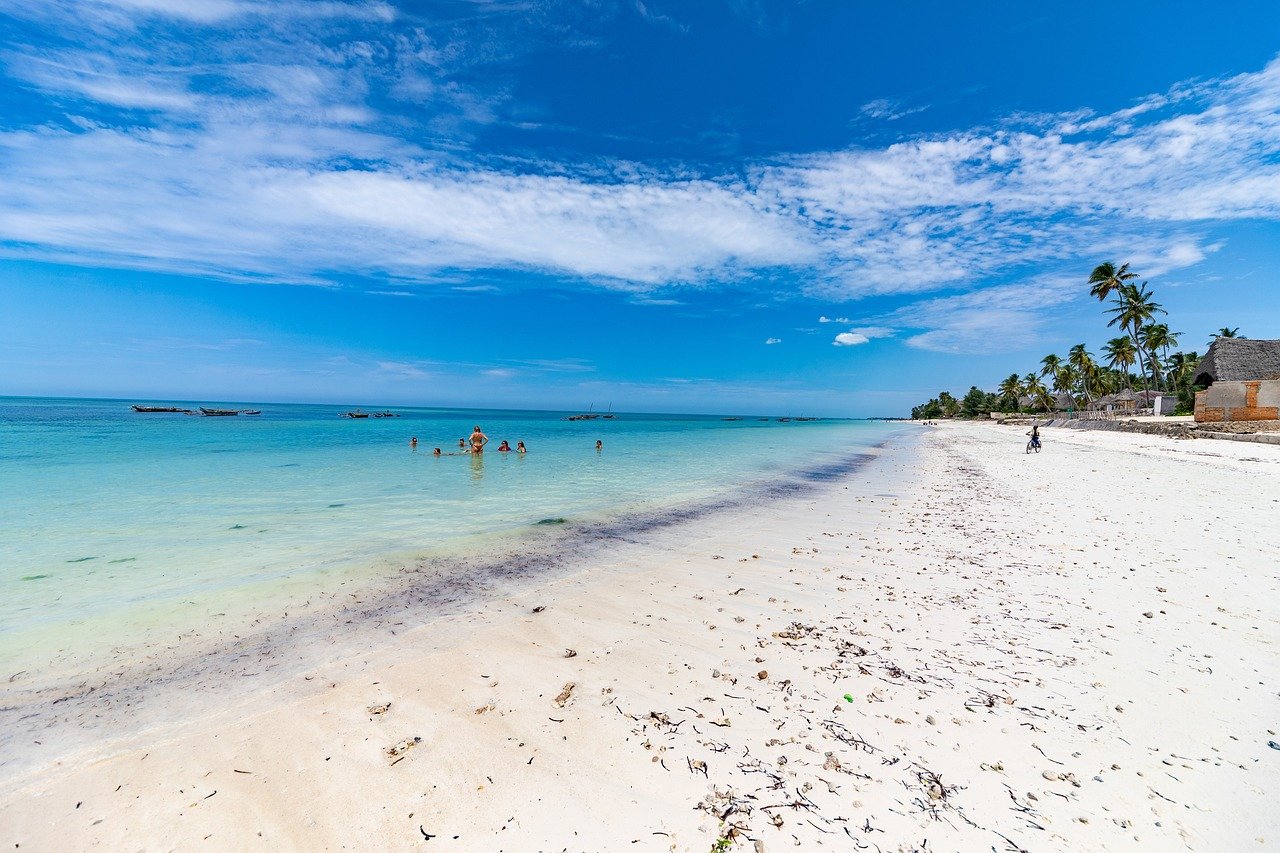
- Zanzibar Spice Tour or Beach activity (if included)
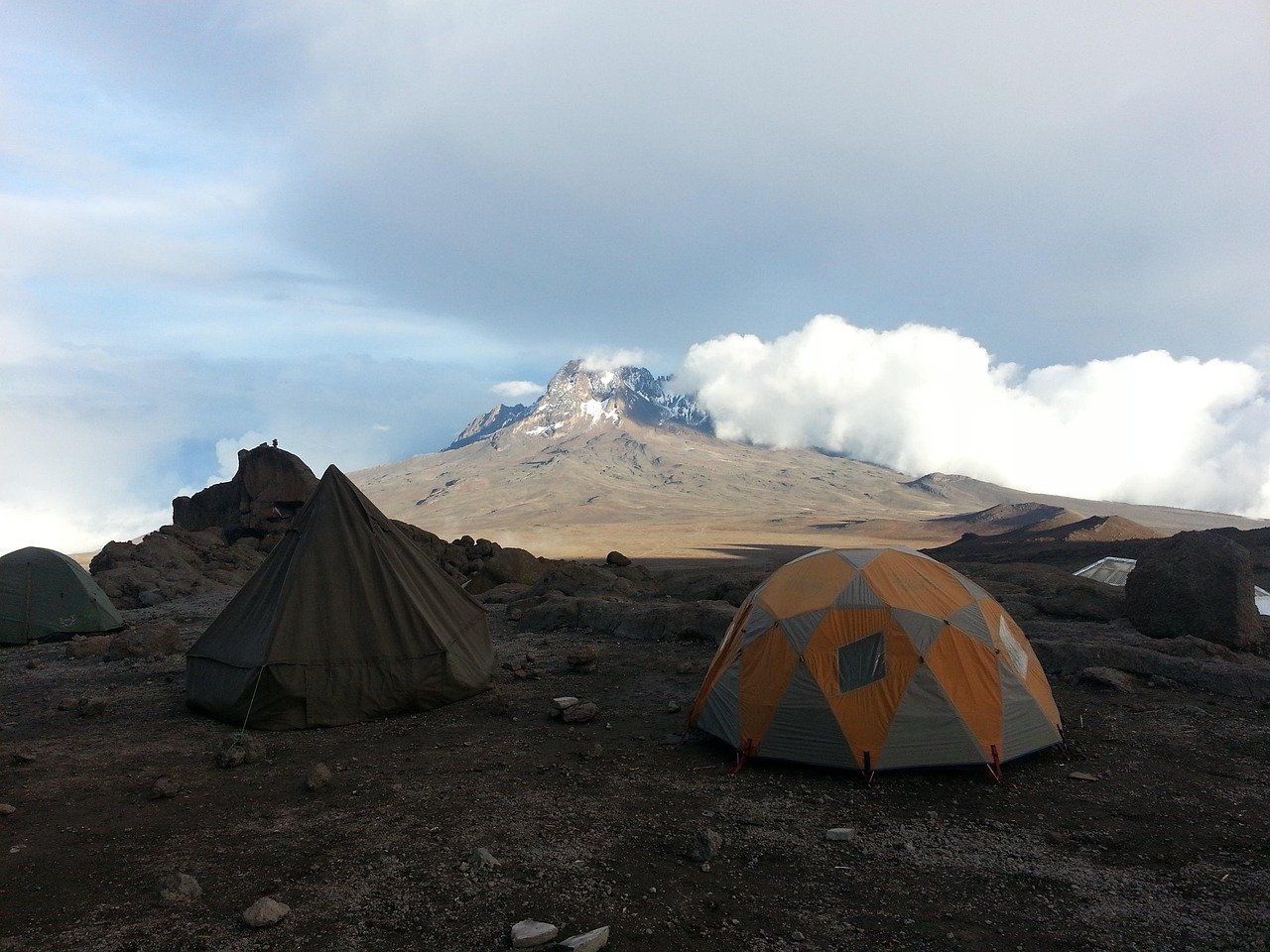
- Trekking equipment & support crew (for Kilimanjaro trips)
- International flights to/from Tanzania
- Visa fees and travel insurance
- Personal expenses, tips, and gratuities
- Beverages and drinks not included in meals
- Optional activities and excursions not listed in itinerary
- Laundry services
- Tips for the crew (Highly Recommended)
- Personal trekking gear (unless specified)
- Vaccinations and medical expenses