Facts About Serengeti National Park – Wildlife, Landscape & Safari Insights
-
Duration 1 - 10 Days
-
Type Midrange/Luxury
-
Group Size 2+ Pax
-
Languages English
Tour Description
Discover key facts about Serengeti National Park, including its wildlife, landscapes, migration patterns, and why it’s one of Tanzania’s top safari destinations.
Serengeti National Park is one of the most famous wildlife destinations in the world, covering approximately 14,750 square kilometers of Tanzania’s northern plains. It is renowned for its vast savannahs, rolling hills, and the annual Great Wildebeest Migration, which sees millions of animals move across the ecosystem in search of fresh grazing.
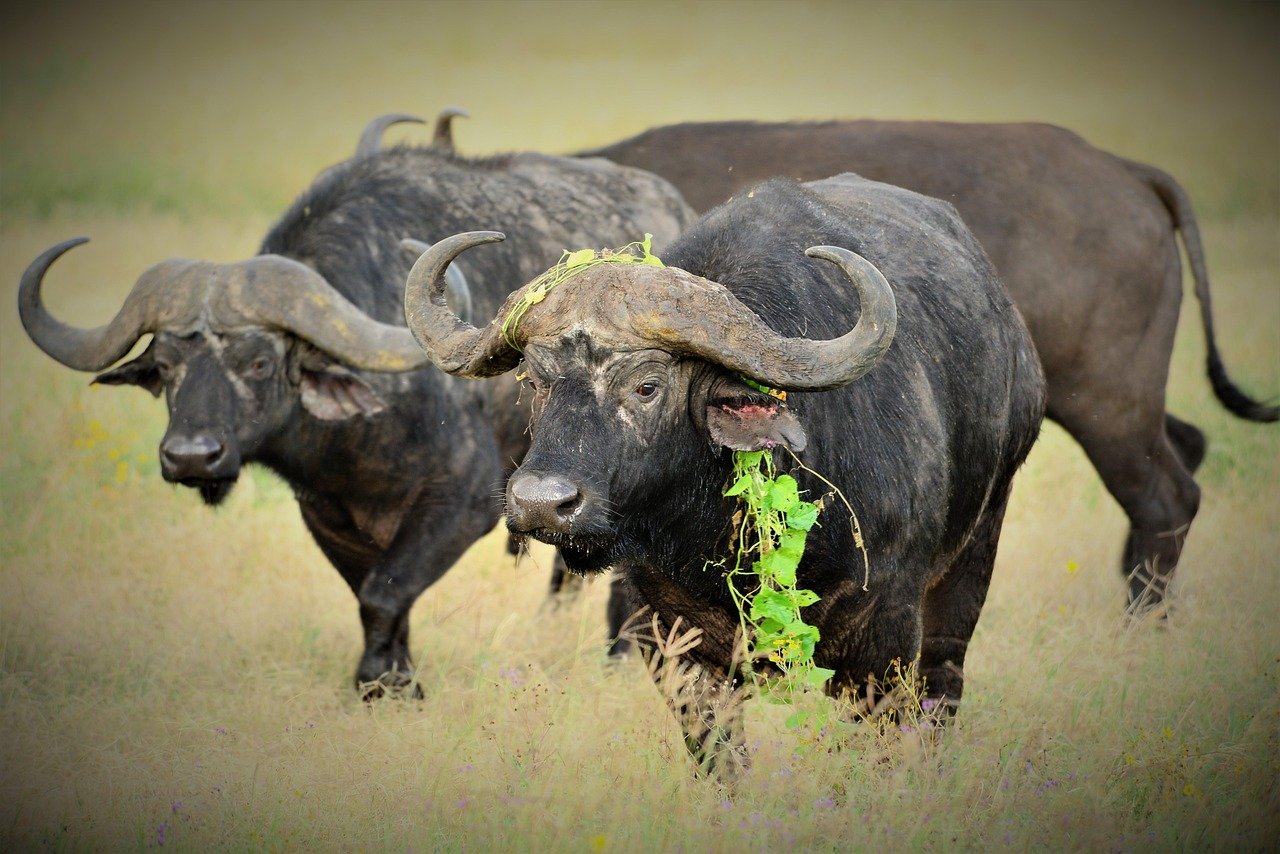
The park is home to the Big Five—lion, leopard, elephant, buffalo, and rhino—as well as cheetahs, hyenas, giraffes, zebras, and hundreds of bird species. Its diverse habitats include open grasslands, riverine forests, and kopjes (rocky outcrops), providing ideal environments for both predators and prey.
Serengeti offers world-class safari experiences, from game drives and hot air balloon safaris to photography tours. It is recognized not only for its incredible wildlife but also as a UNESCO World Heritage Site, making it a must-visit destination for anyone exploring Tanzania.
Facts About Serengeti National Park – Complete Safari Guide
Serengeti National Park is one of the most famous wildlife destinations in the world. Known for its vast plains, incredible biodiversity, and the spectacular Great Migration, the park is a must-visit for anyone traveling to Tanzania. This guide explores essential facts about Serengeti, including its geography, wildlife, culture, and unique features that make it a top safari destination.
Location and Size
The Serengeti is located in northern Tanzania and covers approximately 14,750 square kilometers, making it one of Africa’s largest protected areas. It stretches from the Maasai Mara ecosystem in Kenya down to the Ngorongoro Conservation Area in the south. The park’s vast size allows wildlife to roam freely and supports large-scale natural phenomena such as the Great Migration.
Ecosystems and Landscapes
Serengeti National Park is made up of diverse ecosystems that include:
- Savannah Plains: Rolling grasslands with scattered acacia trees, ideal for large herbivores and predators.
- Woodlands: Thickets and riverine forests providing habitat for leopards, elephants, and various bird species.
- Rivers and Waterholes: Crucial sources of water for animals, especially during the dry season, and popular spots for wildlife viewing.
- Kopjes: Rocky outcrops that serve as lookout points for predators and scenic photography locations.
Wildlife in Serengeti
Serengeti is home to an incredible variety of animals:
- Big Five: Lions, leopards, elephants, rhinos, and buffaloes.
- Predators: Cheetahs, hyenas, wild dogs, and jackals.
- Herbivores: Wildebeests, zebras, giraffes, gazelles, impalas, and hippos.
- Birdlife: Over 500 species, including flamingos, ostriches, eagles, and secretary birds.
- Other Species: Crocodiles, snakes, and small mammals contributing to the ecosystem.
The Great Migration
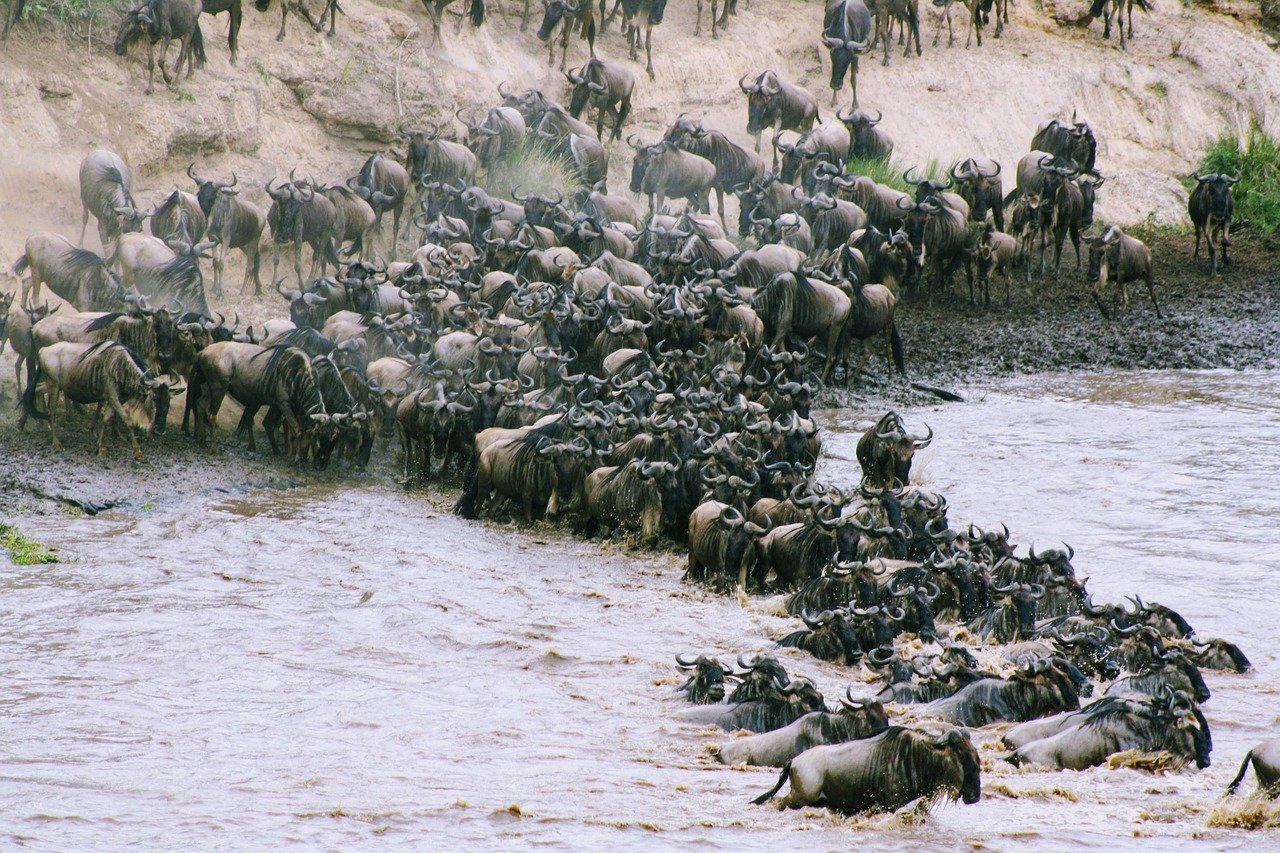
One of Serengeti’s most famous phenomena is the Great Migration, during which millions of wildebeests, zebras, and gazelles move across the plains in search of fresh grazing. This movement follows a circular pattern between the Serengeti and Maasai Mara in Kenya. It is accompanied by predators hunting along the migration path, creating spectacular wildlife scenes.
Cultural Significance
The Serengeti is also home to the Maasai people, who have lived in the region for centuries. Their traditional way of life, culture, and coexistence with wildlife add a cultural dimension to the park. Visitors can learn about Maasai traditions, dress, and livestock herding practices while respecting their communities.
Conservation Efforts
Serengeti National Park has been a protected area since 1951 and is recognized as a UNESCO World Heritage Site. Conservation efforts focus on protecting wildlife, habitats, and migratory routes. Anti-poaching measures, park rangers, and sustainable tourism practices ensure that Serengeti remains a safe haven for its wildlife.
Tourism and Safari Activities
Visitors to Serengeti can enjoy various activities:
- Game drives to spot wildlife and predators in their natural habitats.
- Hot air balloon safaris offering a panoramic view of the plains and wildlife below.
- Guided walking safaris for a closer experience with nature.
- Photography safaris capturing landscapes, wildlife, and cultural encounters.
Why Choose Serengeti National Park
- Witness the iconic Great Migration and predator-prey interactions.
- Experience one of Africa’s most diverse and abundant wildlife ecosystems.
- Enjoy expansive landscapes perfect for photography and scenic views.
- Learn about Maasai culture and conservation efforts.
- Variety of accommodation options, from luxury lodges to tented camps for an authentic safari experience.
FAQs – Serengeti National Park
Q: What is the best time to visit Serengeti?
A: The best time depends on what you want to see. The Great Migration peaks at different times in different regions. Dry season (June–October) is ideal for wildlife spotting, while January–March is calving season.
Q: How long should I spend in Serengeti?
A: At least 3–5 days to explore key areas and maximize wildlife sightings.
Q: Are there accommodations inside the park?
A: Yes, options include luxury lodges, tented camps, and eco-camps located within or near park areas.
Q: Can I see the Big Five in Serengeti?
A: Yes, Serengeti is home to the Big Five, though sightings of leopards and rhinos may be less frequent.
Q: Is Serengeti suitable for family safaris?
A: Absolutely. Many camps and lodges are family-friendly, and guides provide educational insights for children.
Q: How do I reach Serengeti National Park?
A: Options include flying into nearby airstrips or driving from Arusha, depending on your itinerary and park region.
Final Thoughts
Serengeti National Park is more than just a wildlife reserve; it is a symbol of Africa’s natural heritage, incredible biodiversity, and conservation success. With vast landscapes, abundant wildlife, cultural interactions, and world-famous migration events, Serengeti offers unforgettable experiences for every traveler.
Tour Inclusions / Exclusions
- Airport pick-up and drop-off
- Professional English-speaking guide
- All park fees, entrance fees & permits
- Accommodation in hotels, lodges, or tents (based on package)
- All meals as specified in itinerary
- All transport in 4x4 safari vehicle / minibus / coach
- Bottled water during safaris and trekking
- Cultural visits & village tours (if included in itinerary)
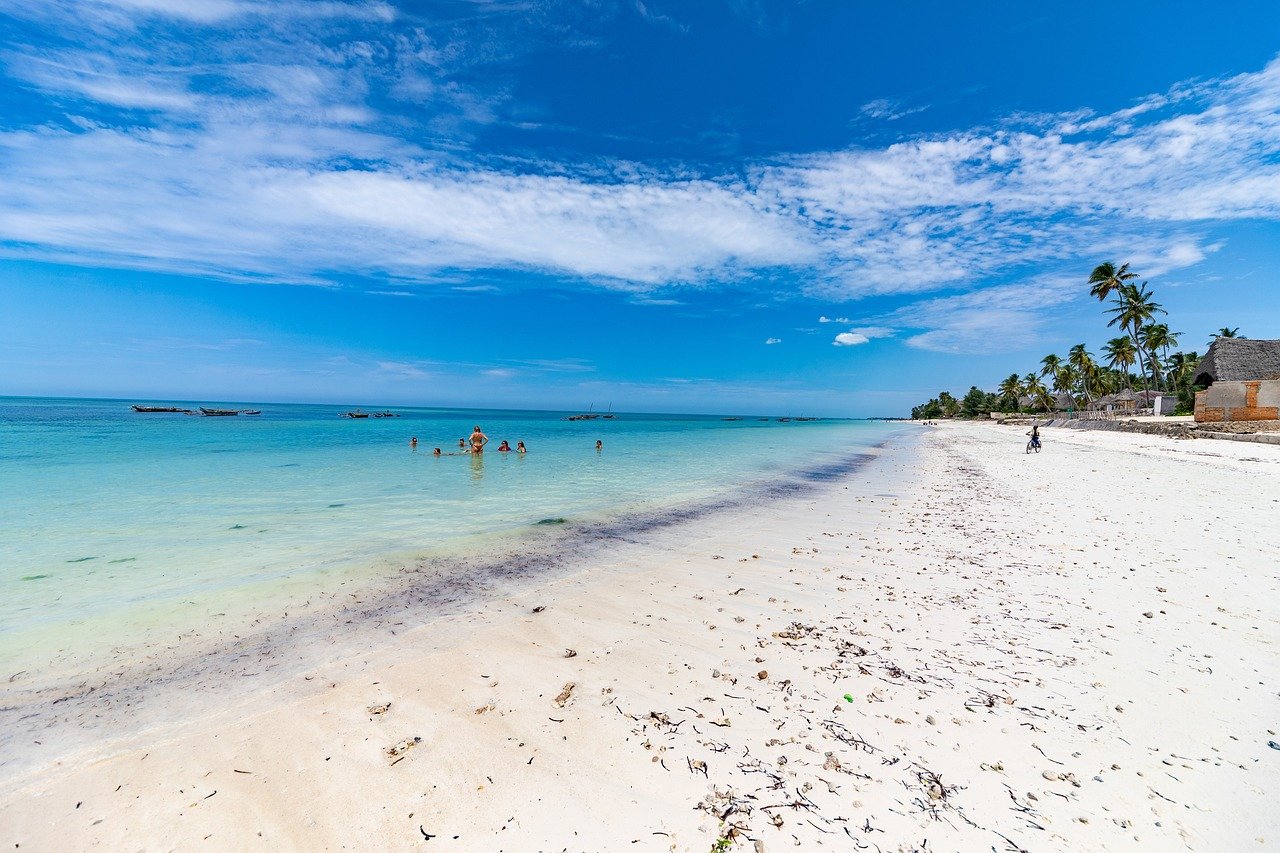
- Zanzibar Spice Tour or Beach activity (if included)
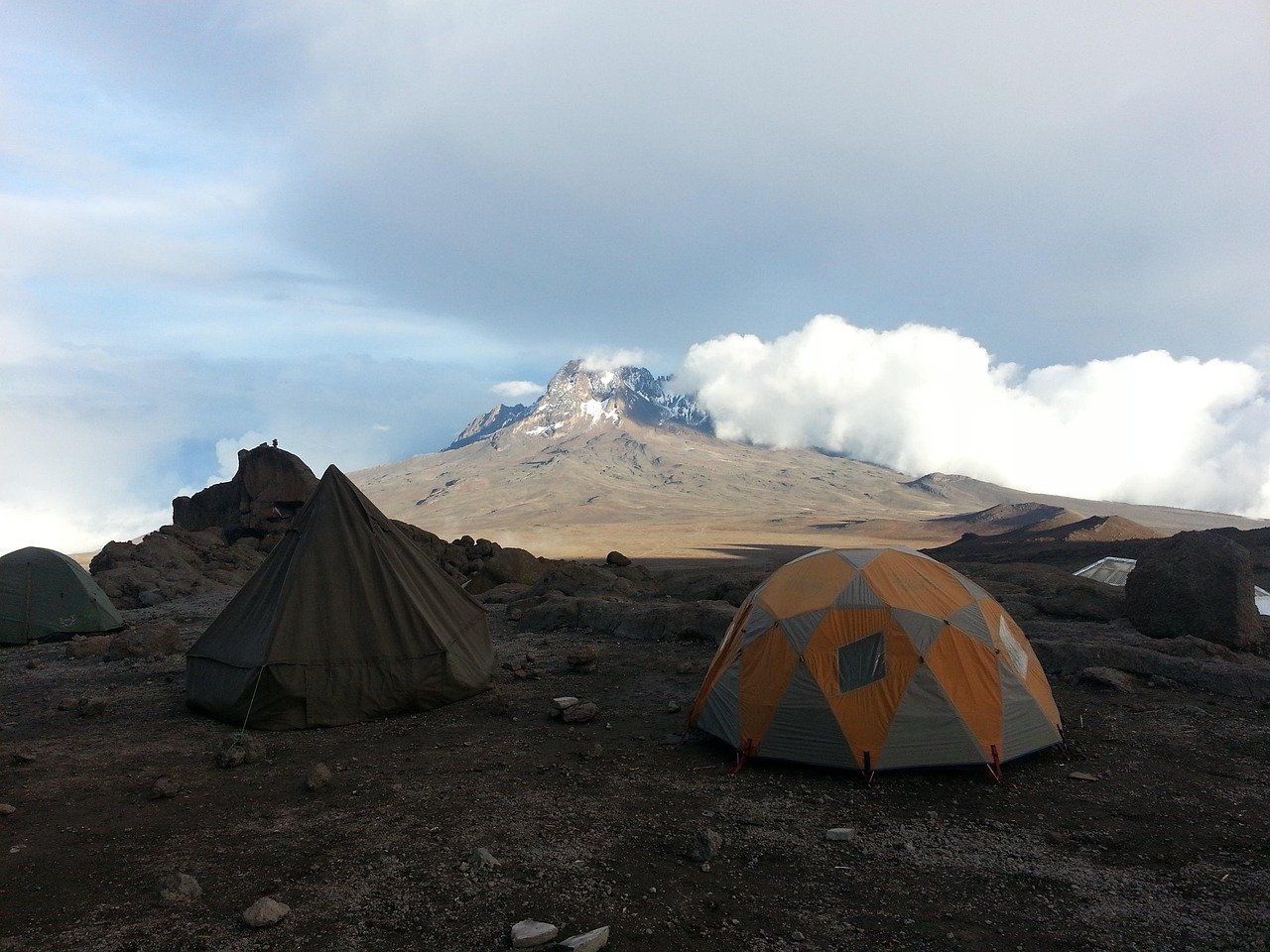
- Trekking equipment & support crew (for Kilimanjaro trips)
- International flights to/from Tanzania
- Visa fees and travel insurance
- Personal expenses, tips, and gratuities
- Beverages and drinks not included in meals
- Optional activities and excursions not listed in itinerary
- Laundry services
- Tips for the crew (Highly Recommended)
- Personal trekking gear (unless specified)
- Vaccinations and medical expenses