Is Tanzania Safe for Tourists – Travel Safety & Tips
-
Duration 1 - 10 Days
-
Type Midrange/Luxury
-
Group Size 2+ Pax
-
Languages English
Tour Description
Learn about safety for tourists in Tanzania, including crime, health precautions, travel tips, and advice for a secure and enjoyable safari or holiday.
Tanzania is generally considered a safe destination for tourists, especially in popular safari areas, national parks, and Zanzibar. Visitors should exercise common-sense precautions, such as avoiding isolated areas at night, securing valuables, and staying informed about local conditions.
Health precautions are important, including malaria prophylaxis, safe drinking water, and up-to-date vaccinations. Petty theft can occur in cities, markets, and transport hubs, so being vigilant is advised. Guided safaris and organized tours enhance safety while allowing travelers to enjoy wildlife and cultural experiences with peace of mind.
By following standard travel safety practices and staying aware of your surroundings, tourists can have a secure, enjoyable, and unforgettable experience in Tanzania.
Is Tanzania Safe for Tourists – Complete Travel Safety Guide
Tanzania is one of Africa’s most popular travel destinations, attracting tourists with its iconic wildlife, breathtaking landscapes, and rich cultural heritage. Naturally, visitors often ask about safety. This guide explores safety considerations, practical tips, and measures to ensure a secure and enjoyable experience in Tanzania.
General Safety Overview
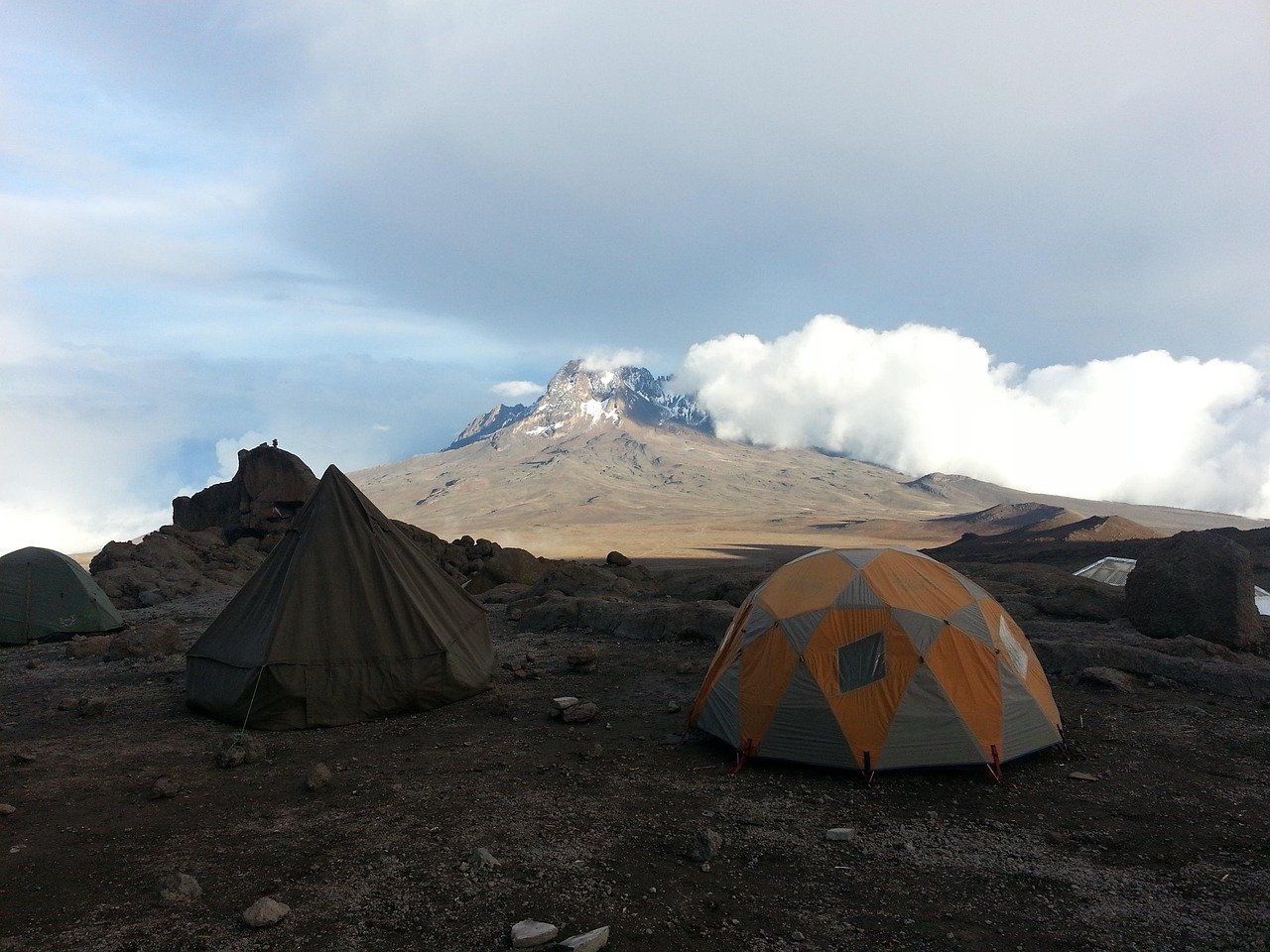
Tanzania is generally safe for tourists, especially in well-known safari regions, national parks, and established tourist hubs such as Arusha, Kilimanjaro, and Zanzibar. Violent crime targeting tourists is relatively rare, but petty theft and opportunistic crimes can occur in crowded areas. Awareness and common-sense precautions help ensure a safe visit.
Safety in Urban Areas
Cities and towns such as Dar es Salaam, Arusha, and Moshi are generally safe, but tourists should remain vigilant:
- Avoid walking alone at night in poorly lit areas.
- Keep personal belongings secure and avoid displaying expensive jewelry or electronics.
- Use reliable transportation, such as registered taxis or ride-hailing apps, instead of unmarked vehicles.
- Be cautious in markets or crowded places, as petty theft may occur.
Safety in National Parks and Safari Areas
National parks and safari areas are among the safest places for tourists, as they are managed with security and visitor safety in mind:
- Always follow park rules and the instructions of your guide or ranger.
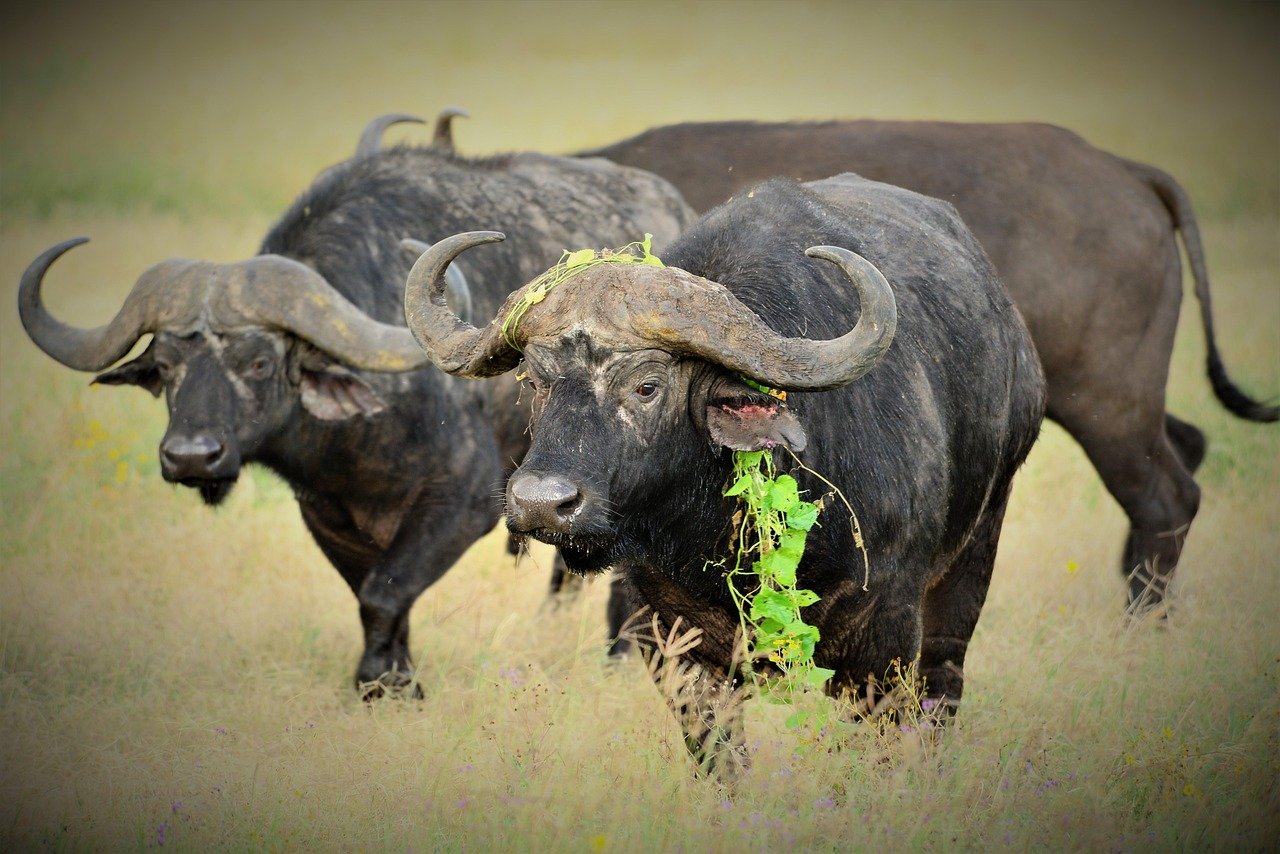
- Keep a safe distance from wildlife; never approach or feed animals.
- Stay in designated areas or lodges, and avoid venturing alone into the bush.
- Safari vehicles are equipped for safety and emergencies, ensuring secure wildlife encounters.
Health and Medical Safety
Health is an important part of safety during a Tanzania visit:
- Vaccinations: Recommended vaccines include yellow fever, hepatitis A and B, typhoid, and routine immunizations.
- Malaria: Tanzania is a malaria-risk country. Take prophylaxis and use mosquito nets, repellents, and protective clothing.
- Water and food safety: Drink bottled or filtered water and avoid unpasteurized dairy or raw foods in rural areas.
- Travel insurance: Strongly recommended to cover medical emergencies, evacuation, or trip interruptions.
Road and Transportation Safety
Roads in Tanzania can vary from well-paved highways to rough tracks in rural areas:
- Use reputable transport providers or safari companies for intercity travel and park transfers.
- Drive carefully and allow extra time for longer trips, especially during rainy season.
- Internal flights are generally safe and can reduce travel time and road risks.
Safety for Solo Travelers
Solo tourists can safely enjoy Tanzania with precautions:
- Stick to group tours or guided safaris for wildlife experiences.
- Maintain communication with friends or family regarding travel plans.
- Avoid isolated areas at night and dress modestly, respecting local customs.
Safety in Zanzibar
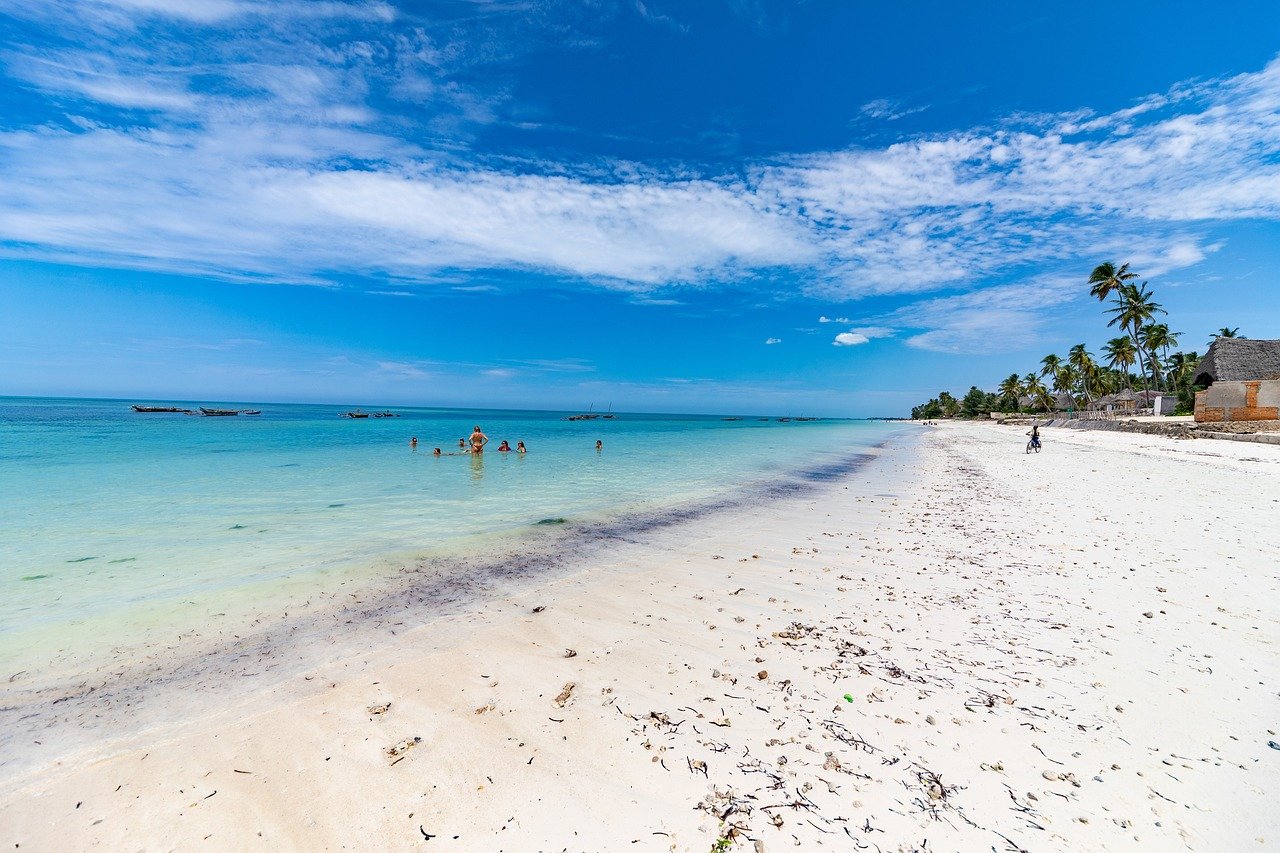
Zanzibar is generally safe for tourists, with popular beaches and Stone Town being secure when basic precautions are observed:
- Use hotel safes for valuables.
- Be cautious of unlicensed taxi operators.
- Respect local culture, including modest dress in Stone Town and rural villages.
Tips to Ensure Safety in Tanzania
- Keep copies of important documents, including passport and travel insurance, in case of emergencies.
- Stay informed about local news and government travel advisories.
- Use experienced guides and tour operators for safaris and excursions.
- Avoid carrying large amounts of cash and use secure payment methods when possible.
- Always follow park rules and wildlife safety guidelines.
Why Tanzania is Safe for Tourists
- Tourist regions are well-patrolled and guided with security measures in place.
- Safari companies prioritize safety for guests and wildlife alike.
- Low risk of violent crime in national parks and major tourist hubs.
- Health, transportation, and accommodation standards are maintained in popular tourist areas.
FAQs – Is Tanzania Safe for Tourists
Q: Are safaris in Tanzania safe?
A: Yes, guided safaris are very safe, with trained drivers and guides ensuring distance from dangerous wildlife and adherence to park rules.
Q: Is it safe to travel alone in Tanzania?
A: Solo travel is possible, especially with organized tours and accommodations in tourist areas, but general precautions should be followed.
Q: Are there health risks in Tanzania?
A: Malaria and certain tropical diseases are present, so vaccinations, prophylaxis, and hygiene precautions are recommended.
Q: Is Zanzibar safe for tourists?
A: Yes, Zanzibar is generally safe when respecting local customs, avoiding unlicensed taxis, and taking standard travel precautions.
Q: Can I use local transport safely?
A: Yes, if you use reputable transport providers or registered taxis. For longer distances, consider safari companies or internal flights.
Final Thoughts – Safety in Tanzania
Tanzania is considered a safe destination for tourists, especially when visiting national parks, major towns, and islands like Zanzibar. By following basic safety precautions, respecting local customs, and using experienced guides, travelers can enjoy a secure, memorable, and enriching safari experience while exploring the country’s incredible wildlife, landscapes, and culture.
Tour Inclusions / Exclusions
- Airport pick-up and drop-off
- Professional English-speaking guide
- All park fees, entrance fees & permits
- Accommodation in hotels, lodges, or tents (based on package)
- All meals as specified in itinerary
- All transport in 4x4 safari vehicle / minibus / coach
- Bottled water during safaris and trekking
- Cultural visits & village tours (if included in itinerary)
- Zanzibar Spice Tour or Beach activity (if included)
- Trekking equipment & support crew (for Kilimanjaro trips)
- International flights to/from Tanzania
- Visa fees and travel insurance
- Personal expenses, tips, and gratuities
- Beverages and drinks not included in meals
- Optional activities and excursions not listed in itinerary
- Laundry services
- Tips for the crew (Highly Recommended)
- Personal trekking gear (unless specified)
- Vaccinations and medical expenses