Tanzania Safari Safety Tips for Travelers – Stay Safe and Enjoy Your Adventure
-
Duration 1 - 10 Days
-
Type Midrange/Luxury
-
Group Size 2+ Pax
-
Languages English
Tour Description
Discover essential Tanzania safari safety tips for travelers. Learn how to stay safe around wildlife, in vehicles, lodges, and remote areas while enjoying a memorable safari experience
Ensure a secure and enjoyable Tanzania safari with these traveler safety tips, covering wildlife interactions, vehicle safety, health precautions, cultural respect, and emergency preparedness.
Comprehensive Tanzania Safari Safety Tips for Travelers
A safari in Tanzania is an incredible adventure, offering close encounters with wildlife, stunning landscapes, and unique cultural experiences. However, safaris also present certain risks if proper safety measures are not followed. Understanding how to stay safe in vehicles, around animals, during hikes, and at lodges ensures a worry-free and memorable safari. This guide provides detailed Tanzania safari safety tips for travelers, whether it’s your first visit or you are a seasoned adventurer.
1. Respect Wildlife and Maintain Safe Distances
The main attraction of any safari is wildlife, but wild animals are unpredictable and can be dangerous. Following strict safety rules around animals is crucial.
- Always stay inside your vehicle unless your guide indicates it is safe to exit.
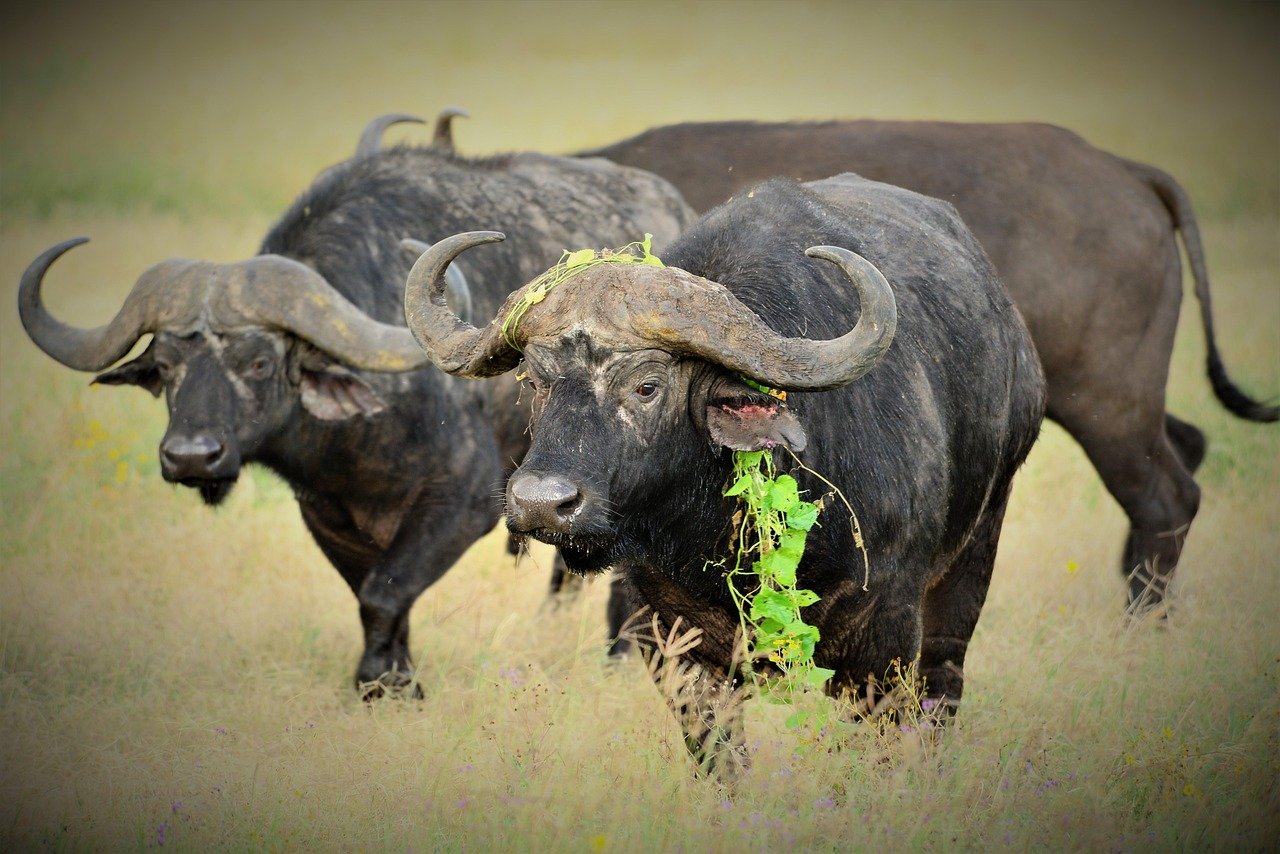
- Keep a safe distance from large animals such as lions, elephants, buffaloes, and hippos.
- Never attempt to feed, touch, or attract animals for photos.
- Do not make loud noises or sudden movements that may startle wildlife.
- Use binoculars and telephoto lenses to observe animals from a safe distance.
- Follow your guide’s instructions during game drives and walking safaris.
2. Safari Vehicle Safety
Safari vehicles are designed for safety and wildlife viewing, but accidents can happen if basic precautions are ignored.
- Always wear your seatbelt during drives, even in open vehicles.
- Keep your arms and legs inside the vehicle at all times.
- Do not distract the driver while they are navigating rough terrain.
- Listen carefully to safety briefings before leaving lodges.
- Avoid standing up or moving around when the vehicle is in motion.
- Ensure you have a trained and licensed safari guide/driver for all park visits.
3. Health and Vaccination Safety
Health risks are present in safari destinations. Preventive measures are essential.
- Get recommended vaccinations: yellow fever, hepatitis A and B, typhoid, tetanus.
- Take anti-malarial medication as prescribed and use insect repellent.
- Drink only bottled or filtered water to avoid waterborne diseases.
- Avoid consuming raw or undercooked food at lodges or campsites.
- Carry a basic first aid kit with bandages, antiseptic, pain relievers, and medications for common ailments.
- Consult a travel clinic 4–6 weeks before your safari to prepare properly.
4. Safe Walking and Hiking Practices
Walking safaris and hikes provide unique wildlife experiences but come with risks if not conducted safely.
- Always walk with a licensed guide.
- Maintain a steady pace and avoid wandering off the trail.
- Wear closed-toe shoes or boots to prevent snake bites and insect stings.
- Be vigilant for signs of dangerous animals or terrain hazards.
- Carry water, sunscreen, and a hat to prevent heat exhaustion.
- Listen to your guide’s instructions at all times and follow their signals.
5. Lodge and Campsite Safety
Even at lodges and campsites, safety precautions are important.
- Lock doors and windows when leaving your room.
- Do not leave food outside; it may attract wildlife.
- Use flashlight or headlamp after dark.
- Familiarize yourself with emergency exits and safety protocols at the lodge.
- Store valuables in a safe or locker provided by the lodge.
- Check mosquito netting and use insect repellent inside your room or tent.
6. Water and Boating Safety
If your safari includes lake or river excursions, water safety is critical.
- Always wear a life jacket on boats or canoes.
- Do not swim in rivers or lakes known for crocodiles or hippos.
- Follow guide instructions during water-based activities.
- Keep electronics and valuables in waterproof bags.
7. Sun and Heat Protection
The Tanzanian sun can be intense, especially during midday game drives.
- Wear light-colored, breathable clothing to prevent overheating.
- Apply sunscreen with high SPF and reapply frequently.
- Wear sunglasses and a wide-brimmed hat for protection.
- Drink plenty of water throughout the day to stay hydrated.
- Take breaks in shaded areas to avoid heat exhaustion.
8. Night Safari Safety
Night drives are popular but require additional precautions.
- Use vehicles with guides who know the terrain and animal behavior.
- Keep lights low to avoid disturbing wildlife.
- Do not exit the vehicle at night unless instructed.
- Carry a small flashlight for emergencies, but avoid shining it near animals.
9. Cultural and Local Community Safety
Respecting local culture ensures positive interactions and safety.
- Dress modestly when visiting villages or cultural sites.
- Ask permission before photographing people.
- Respect local customs and traditions.
- Be cautious when purchasing items; use licensed guides or stores.
- Learn basic greetings in Swahili to improve communication and rapport.
10. Emergency Preparedness
Being prepared for emergencies is vital during remote safaris.
- Know the location of the nearest hospital or medical facility.
- Carry a travel insurance policy and emergency contact numbers.
- Have a mobile phone with local SIM card or satellite communication device.
- Share your itinerary with family or friends back home.
- Follow safari guide protocols during emergencies or unexpected wildlife encounters.
11. Personal Safety Precautions
General precautions reduce risks of theft or accidents.
- Keep valuables such as passports, cash, and electronics in a safe.
- Use a money belt or secure bag during excursions.
- Avoid walking alone in remote areas, especially at night.
- Stay alert and aware of your surroundings at all times.
- Trust your guide’s advice and local knowledge above unfamiliar information.
12. Photography Safety Tips
Capturing wildlife safely is part of a successful safari.
- Use telephoto lenses to avoid getting too close to animals.
- Do not step out of vehicles for a photo unless instructed.
- Be aware of your footing to prevent slips or falls in rough terrain.
- Keep camera equipment secure and waterproofed if needed.
13. Road Safety Between Parks
If you are driving or transferring between parks, follow safety protocols.
- Use reputable transportation or drivers familiar with local roads.
- Avoid driving at night due to wildlife crossing roads.
- Check that the vehicle is in good condition and has spare tires and fuel.
- Carry water, snacks, and a first aid kit in the vehicle.
14. Group and Solo Traveler Safety
Whether traveling alone or in a group, precautions differ slightly.
- Solo travelers should stay in lodges or camps with good security.
- Always inform your guide or lodge staff of your whereabouts.
- Group travelers should look out for each other during excursions.
- Maintain clear communication and stick to planned routes.
15. Seasonal Safety Considerations
Different seasons in Tanzania present unique challenges.
- During rainy seasons, expect muddy roads; ensure vehicles are suitable for off-road conditions.
- During dry seasons, carry sunscreen, water, and dust protection.
- Be aware of animal behavior changes during mating or migration seasons.
- Plan for temperature fluctuations, particularly in high-altitude areas.
Why Use This Tanzania Safari Safety Tips Guide?
- Protects you from wildlife and environmental hazards
- Ensures health, personal, and travel safety during your safari
- Reduces risk of accidents, illness, or theft
- Helps plan a stress-free, enjoyable adventure
- Essential for both first-time and experienced safari travelers
FAQs About Tanzania Safari Safety
1. Can I get out of the safari vehicle near animals?
Only if your guide explicitly says it is safe. Wild animals can be unpredictable and dangerous.
2. How can I prevent insect bites?
Wear long-sleeved clothing, use insect repellent with DEET, and sleep under mosquito nets when available.
3. Is it safe to drink tap water?
No, always drink bottled or filtered water to avoid waterborne diseases.
4. What should I do in case of an emergency?
Contact your guide, lodge staff, or use your travel insurance emergency number. Keep emergency contacts accessible.
5. How do I stay safe at night?
Avoid walking alone, use flashlights, and follow lodge or guide instructions. Nighttime wildlife can pose serious risks.
6. Are walking safaris safe?
Yes, with a trained guide who understands animal behavior and the terrain. Always follow instructions and maintain a safe distance.
7. What should I wear to stay safe?
Neutral-colored, lightweight, and breathable clothing; closed shoes; hat; sunglasses; and layers for temperature changes.
8. How can I safely take photos?
Use telephoto lenses, stay inside vehicles unless instructed, and avoid startling animals with sudden movements or noises.
9. Is travel insurance necessary?
Yes, it covers medical emergencies, evacuation, trip cancellations, and other unforeseen incidents during the safari.
10. What precautions should I take in lodges?
Lock doors, store valuables, follow mosquito prevention measures, and familiarize yourself with emergency exits.